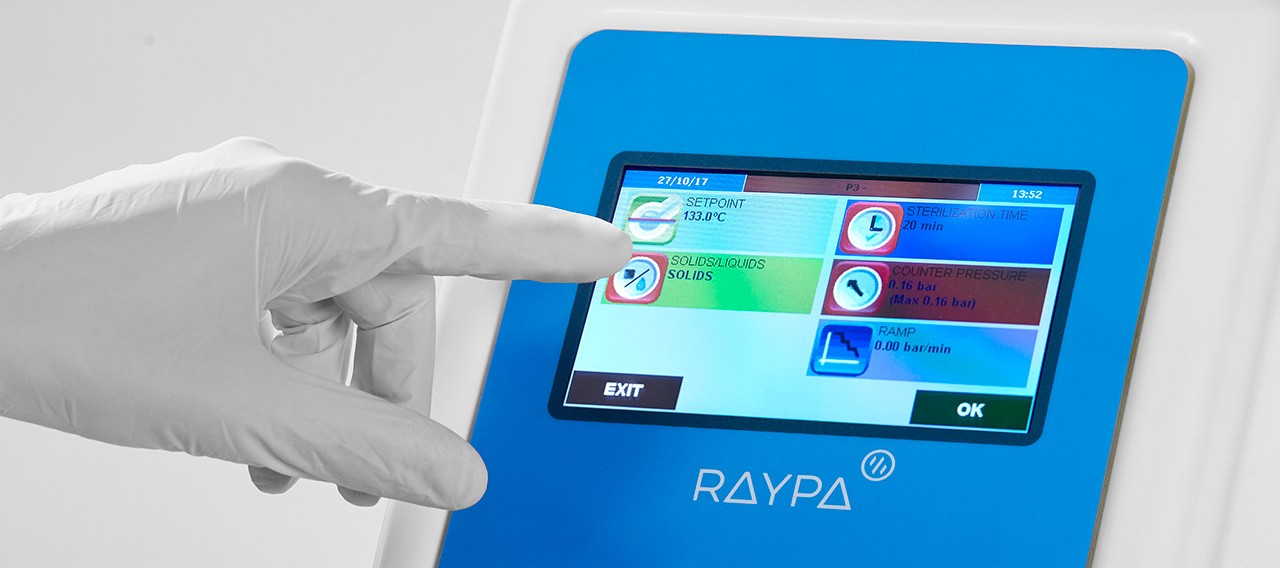
Inadequate sterilization, damaged media, or moisture residue after the cycle are among the most common problems encountered in everyday laboratory work. In many cases, the causes are not technical defects, but rather inappropriate processes, incorrectly selected sterilization parameters, or an autoclave configuration that is not optimally tailored to the application.
However, reproducible sterilization processes are essential, particularly in research, quality control, and production laboratories within the life sciences industry. They form the foundation for reliable analytical results, product safety, and compliance with regulatory requirements. Many common autoclaving errors can be prevented in advance—especially when processes, loading, and equipment selection are tailored to the actual requirements of the laboratory.
The following five points highlight the problems that most commonly arise in everyday laboratory work and the factors to consider when selecting an autoclave.
Improper loading of the autoclave
One of the most common causes of inadequate sterilization is improper loading of the autoclave chamber. In day-to-day laboratory work, there is often a desire to sterilize as many items as possible in a single cycle in order to optimize time and processes. However, if items are packed too tightly, different materials are mixed together, or the chamber is overloaded, the steam can no longer circulate evenly.
As a result, the required sterilization conditions are not achieved throughout the entire load. This is particularly critical in the case of porous materials, closed containers, or mixed loads with widely varying volumes. This can lead to incomplete sterilization, loss of quality, or erroneous results in subsequent laboratory processes.
In practice, it is often found that widely varying liquid volumes, in particular, can be problematic. Larger containers require significantly longer heating times, while smaller volumes reach the target temperature more quickly and may therefore be subjected to unnecessary thermal stress. This can compromise the quality of media or sensitive solutions.
To ensure consistent sterilization results, it is therefore recommended to autoclave items with similar physical properties together. Liquids and solid materials should be sterilized in separate cycles whenever possible. In addition, care should be taken to ensure that items within a single load have comparable volumes and that there is sufficient space between individual containers.
Choosing the right autoclave is also crucial in this context. The size of the chamber has a significant impact on how efficiently and reliably loads can be processed in the laboratory. A chamber that is not optimally sized makes proper loading difficult and increases the long-term risk of process deviations.
Use of the wrong sterilization cycle
Selecting an inappropriate sterilization cycle is one of the most common causes of inefficient or incomplete sterilization processes in the laboratory. Every autoclaving process is based on clearly defined parameters that must be precisely tailored to the specific load. These include temperature, pressure, and dwell time, as well as—depending on the application—controlled cooling and drying phases.
Using inappropriate cycle parameters can not only compromise the effectiveness of sterilization but also cause damage to the items being sterilized. Typical consequences include changes in sensitive media, material deformation, or inadequately sterilized liquids and instruments.
The sterilization of liquids is particularly critical. Unlike solid materials, liquids require special programs with controlled pressure release and defined cooling phases. If the pressure is reduced too quickly, this can cause media to boil over, liquids to evaporate, or even containers to burst.
Different liquid volumes also place high demands on the sterilization process. Larger volumes require significantly longer heating times before the required temperature is reached throughout the entire vessel. If identical cycle parameters are used for both small and large volumes, there is a risk of inadequate sterilization or unnecessary thermal stress on sensitive media.
Modern autoclaves offer customizable programs that can be tailored to different applications and loads. When selecting a new unit, particular attention should therefore be paid to ensuring that sterilization cycles can be easily, reproducibly, and user-friendly adjusted and documented. This is a critical factor for process reliability and traceability, especially in regulated laboratory environments.
Residual moisture after the sterilization cycle
Residual moisture in textiles, packaging, or porous materials after the completion of a sterilization cycle often indicates that the process has not been optimally adjusted. Condensation on sterilized items not only poses a quality issue but also increases the risk of subsequent contamination.
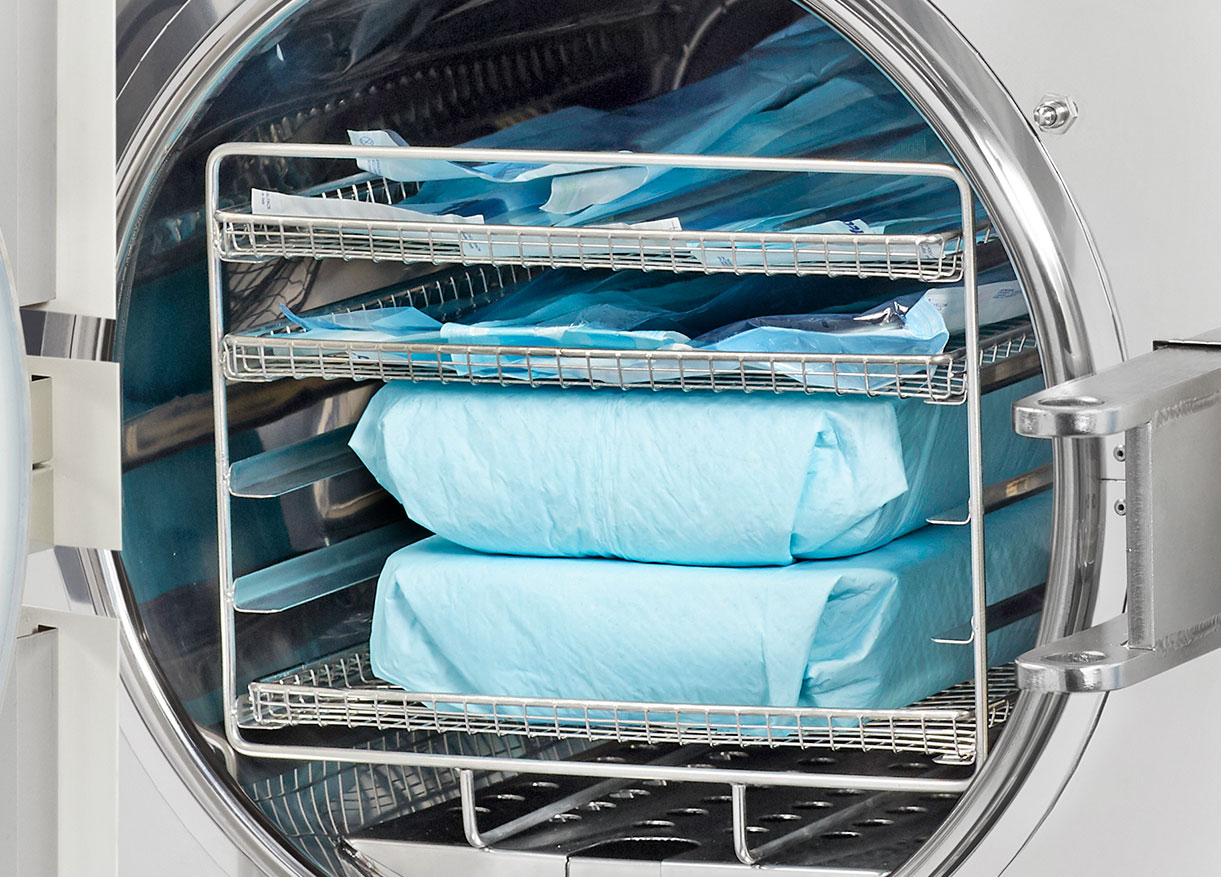
Damp surfaces can promote the regrowth of microorganisms and compromise the safe storage or further processing of sterilized materials. Reproducible and completely dry sterilization is therefore essential, particularly in regulated laboratory environments.
To effectively prevent residual moisture, programs with a fractional pre-vacuum and active final drying should be used. Multiple vacuum pulses remove air from the chamber before sterilization begins, allowing the saturated steam to penetrate the items being sterilized evenly. After the sterilization phase is complete, the subsequent drying ensures that any remaining moisture is thoroughly removed.
Depending on the type and volume of the load, it may be necessary to adjust the drying phase accordingly. In addition, the arrangement of the materials within the chamber also has a significant impact on drying efficiency. If sterile items are packed too tightly or positioned improperly, steam circulation is restricted, making it difficult to achieve complete drying.
When selecting a new autoclave, special attention should therefore be paid to high-performance pre-vacuum and drying functions. These play a key role in ensuring consistent sterilization processes and significantly reducing the risk of contamination in day-to-day laboratory operations.
The Underestimated Impact of Water Quality
The quality of the water used in autoclaves is often underestimated in day-to-day laboratory work, even though it has a significant impact on process reliability, equipment lifespan, and maintenance requirements.
If water that does not meet the recommended quality standards is used, lime and mineral deposits can form in pipes, valves, and steam generators. Over time, this impairs the efficiency of the sterilization process and can lead to increased maintenance costs, equipment failures, or unplanned downtime.
In addition, residues can accumulate on sterile items, which can be particularly problematic in sensitive laboratory environments. In regulated areas, this can not only compromise the quality of processes but also lead to deviations from internal quality standards.
Therefore, only treated or properly demineralized water should be used for the autoclaving process. In addition, it is recommended to check water quality regularly to detect changes early and prevent scale buildup.
Water treatment should also be taken into account when selecting a new autoclave. Depending on the laboratory infrastructure and water hardness, an external water treatment system may be advisable to ensure consistent sterilization processes and high long-term equipment availability. In Switzerland in particular, it is also worth considering regional differences in water hardness, as these can vary significantly depending on the location
Lack of maintenance and calibration
Reliable sterilization requires that the autoclave operate continuously under defined and validated process conditions. However, if maintenance and calibration schedules are neglected, deviations can develop gradually and go unnoticed for a long time in the day-to-day operations of a laboratory.
Wear and tear on gaskets, valves, or sensors often affects process stability before it becomes apparent during daily operations. Deviations in temperature, pressure, or dwell times can prevent sterilization cycles from proceeding under the required conditions. This increases the risk of inadequate sterilization, inaccurate results, or unplanned process interruptions.
Regular maintenance, calibration, and documented functional checks are therefore essential, especially in regulated laboratory environments. They ensure that sterilization processes can be carried out in a reproducible, traceable, and consistently compliant manner.
A structured maintenance program includes not only regular cleaning but also the inspection of safety-critical components, the replacement of wear parts, and the calibration of relevant sensors. This allows potential problems to be identified early on and helps reduce unplanned downtime.
When selecting a new autoclave, therefore, it is important to consider not only the technical specifications but also the long-term service and maintenance strategy. Key factors include quick response times, qualified technical support, and the ability to efficiently integrate maintenance, calibration, and qualification into existing laboratory processes.
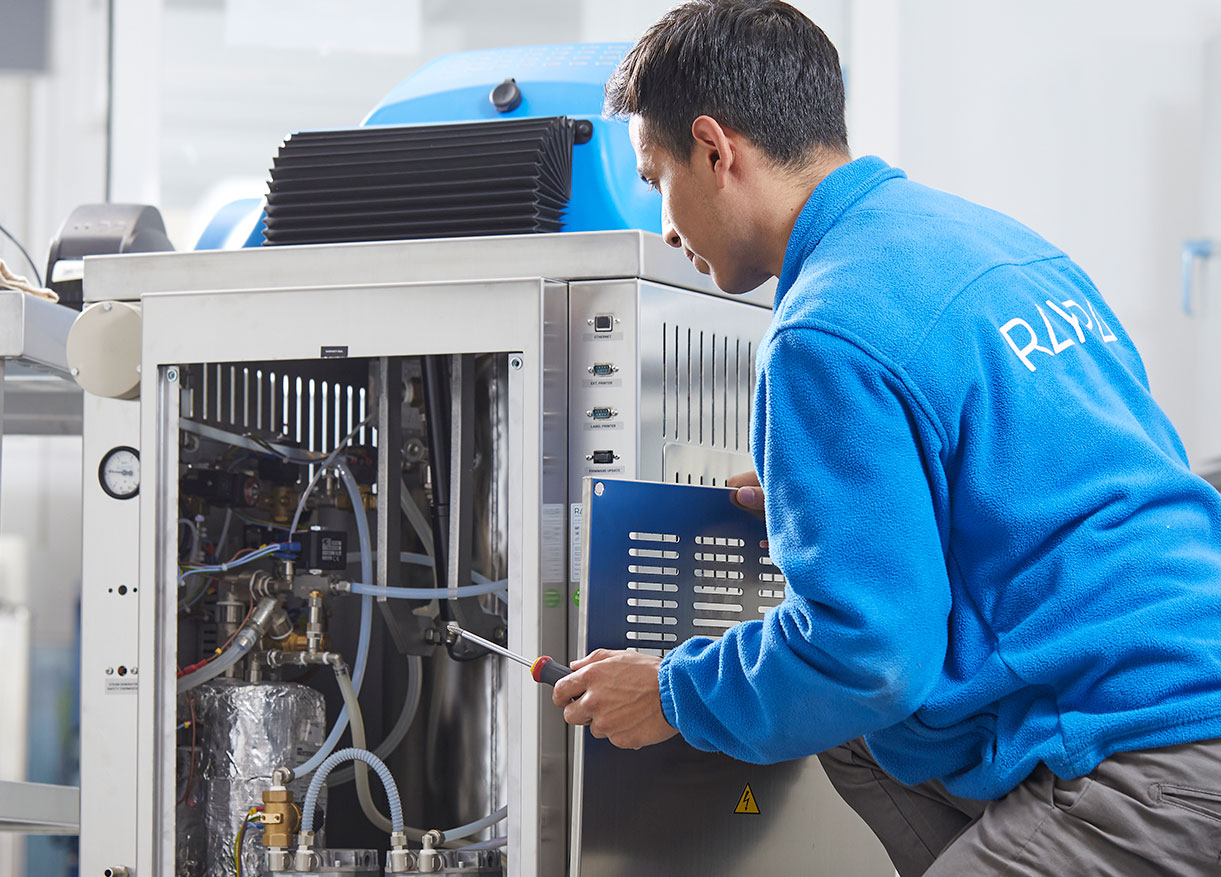
VITARIS supports laboratories with customized service and maintenance plans to ensure consistently high process reliability and equipment availability.
What to Look for When Choosing an Autoclave
Many problems with autoclaving do not result from individual operating errors, but rather from processes or equipment configurations that are not optimally tailored to the specific laboratory’s requirements. Reliable sterilization therefore requires more than just the selection of a high-performance device.
Key factors include the appropriate chamber size, flexible and validatable sterilization programs, stable process control, and a well-designed service and maintenance plan. Especially in research, quality control, and production laboratories, these factors play a crucial role in ensuring reproducible results, regulatory compliance, and high long-term equipment availability.
The selection of an autoclave should therefore always be made in the context of actual laboratory processes—taking into account both current requirements and future developments, such as an increase in sample volume, new applications, or expanded regulatory requirements.
VITARIS assists laboratories in selecting, qualifying, and integrating suitable autoclave solutions—from the initial evaluation through to long-term support during ongoing operations.
Do you have questions about autoclaves, sterilization processes, or service solutions?
Our specialists will be happy to help you choose the right solution for your laboratory.
Want to learn more about OUR AUTOCLAVES?
We will be happy to arrange an appointment with you immediately.