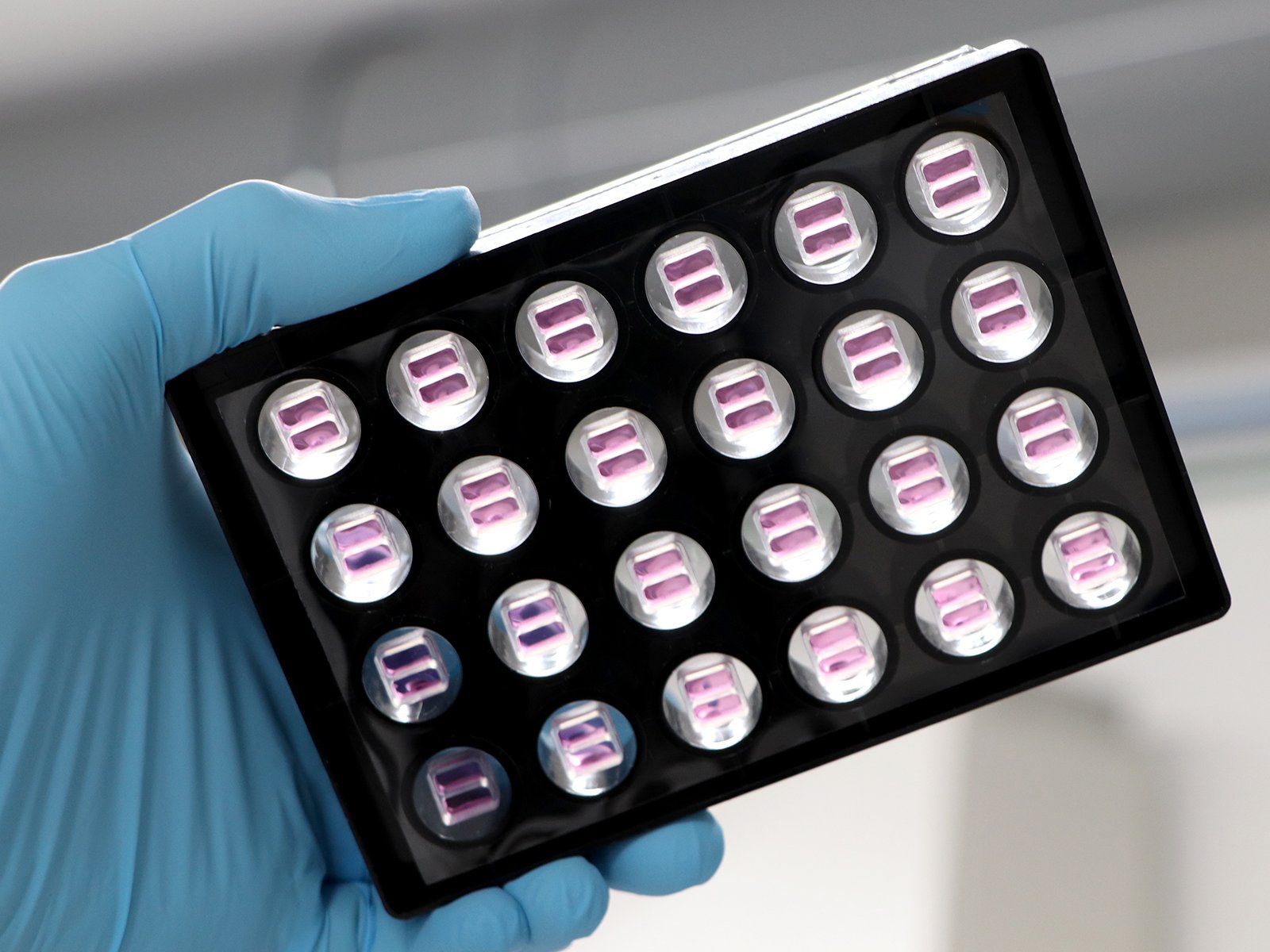
Cell migration is more than movement on a microscopic level - it is a key driver of biological development, immune response and, unfortunately, many diseases. If you want to understand how cells find their way - and why this is so important for research and therapy - this article from ibidi provides in-depth knowledge and practical insights into current methods of cell migration analysis.
Cell migration - a fundamental biological force
From the developing embryo to healing wounds and spreading tumor cells: Cell migration is a central tool of nature to shape tissue, maintain functions and respond to threats. Factors such as chemotaxis (directed movement along a concentration gradient) or mechanical signals play an important role in this process.
Understanding research: How can cell migration be measured?
The analysis of cell migration requires precise and reproducible experimental setups. ibidi provides standardized assays with which various forms of cell movement - such as directed or collective migration - can be reliably investigated. This is complemented by live cell microscopy, which makes movement patterns visible.
Relevance for biomedicine: from inflammation to metastasis
A better understanding of cell migration helps to specifically influence processes such as immune cell behavior, vascularization or tumour spread. Migration is therefore not only a fascinating research topic, but also a key to the development of new therapies for cancer, autoimmune diseases and chronic inflammation.
do you have any questions about this article?
We will be happy to help you.