Work with 3D cell cultures, live cell imaging and advanced microscopy is developing rapidly - and with it, the organoid model is becoming increasingly important as a physiologically relevant research system. In a recently published article, our partner ibidi impressively demonstrates the enormous potential of organoids for modern cell culture, high-resolution imaging and disease-specific modeling. From the technological basics to specific applications, the article provides a sound overview for anyone involved in organoid production, functional analyses and 3D cell culture systems.
Why organoids?
Organoids are self-organizing 3D cell cultures that replicate the complex structure and function of human organs in vitro. Compared to traditional 2D cultures, they offer a more realistic representation of tissue organization and cell interactions. As a result, they close the gap between simple in vitro models and complex in vivo systems
Applications in research
Organoids make it possible to better understand disease mechanisms, test drug effects more precisely and predict individual patient reactions. They are successfully used in research into Alzheimer's disease, bowel cancer and viral infections and offer new perspectives for personalized medicine and regenerative therapies
Technological requirements
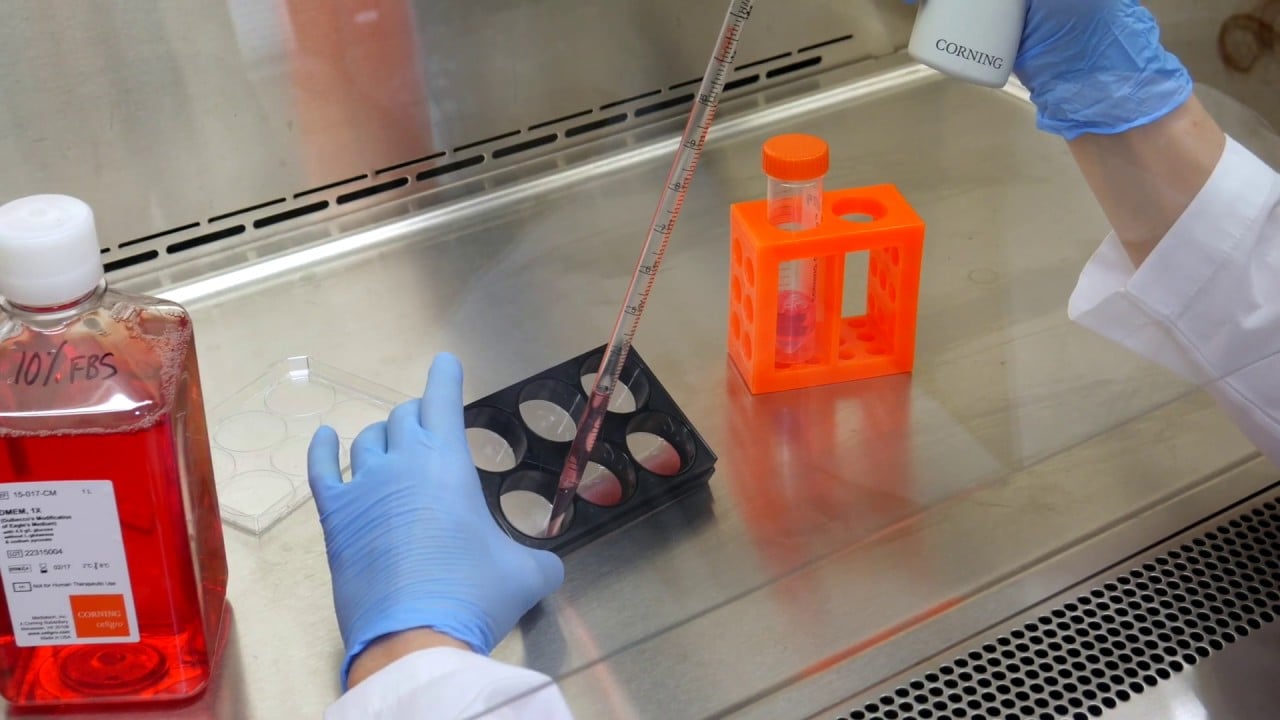
Organoid cultivation requires specialized 3D culture systems. ibidi offers a variety of products, including µ-Slides, µ-Dishes and µ-Plates, which are designed to perform and analyze 3D cell culture assays under physiological conditions. These systems allow precise control of the cell environment and are compatible with live cell imaging and other analytical methods
do you have any questions about this article?
We will be happy to help you.