Sterilization is a fundamental process in laboratory operations. It affects media, instruments, waste, and consumables on a daily basis. In research, quality control, and production, it determines reproducible results, occupational safety, and regulatory compliance. Errors in this process lead to contamination, repetitions, or production downtime.
At the same time, the general conditions have changed. Laboratories are working with higher sample throughput, scarcer resources, and stricter requirements for documentation and traceability. Devices must run stably, be clearly controllable, and reliably map defined processes. Simply generating temperature and pressure is no longer sufficient for this.
Vertical autoclaves play a central role in this environment. They are not isolated devices, but rather part of the laboratory infrastructure. Their design influences cycle times, workflows, operating costs, and quality assurance. Differences in technology, equipment, and automation have a direct impact on the daily work of users, technicians, and managers.
A sound understanding of the technical and procedural requirements is therefore essential for proper selection and use. The following article classifies these requirements and shows which criteria are decisive when evaluating modern vertical autoclaves in a laboratory environment.
Different loads, different requirements
Solid and liquid media place fundamentally different demands on the sterilization process. For solids, the focus is on the complete removal of residual moisture after the sterilization phase. Residual moisture can compromise sterility or damage sensitive materials. For liquids, the focus is on controlled pressure and temperature management during the cooling phase. Uncontrolled cooling can lead to delayed boiling, boiling over, or glass breakage.
Technical concepts that combine vacuum support, heated chamber walls, and active cooling enable differentiated control of these processes. This allows both solid and liquid loads to be handled safely within a single system without compromising process quality. For users, this reduces the need for specialized individual devices.
Cycle times and availability
In many laboratories, it is not the chamber volume but the cycle time that determines the actual performance of an autoclave. Long drying or cooling phases lead to bottlenecks and increase the organizational effort. Shortened cycle times have a direct impact on the number of possible batches per day and improve equipment availability.
Integrated cooling coils, active recirculation systems, or additional ventilation options shorten the cooling phase for liquids in particular. Efficient drying reduces follow-up times for solids. These technical factors contribute to better planning and support consistent laboratory operation, even with high sample volumes.
Materials and operating costs
The choice of materials used influences both the service life of the autoclave and the ongoing operating costs. Chambers made of AISI 316L stainless steel offer high resistance to chemicals, cleaning agents, and condensates. They are suitable for demanding applications and facilitate long-term qualification of the device.
Stainless steel AISI 304 exterior cladding protects against corrosion in laboratory environments and increases mechanical stability. Fully electric autoclave designs reduce energy consumption and simplify installation, as no additional steam generators or compressed air connections are required. Optimized water consumption also has a direct impact on operating costs, especially with frequent cycles.
Traceability and digital processes
In regulated environments, complete documentation of all sterilization processes is essential. Relevant criteria include automatic recording of temperature, pressure, time, and cycle status, as well as clear assignment to batches or samples. Digital process control reduces manual intervention and lowers the risk of errors.
Modern systems support barcode-based identification, integrated protocol storage, and connection to higher-level software solutions. These functions facilitate GMP or FDA audits, accelerate data provision, and increase transparency throughout the entire process. Digital archiving is increasingly replacing paper-based forms of documentation.
Ergonomics and occupational safety
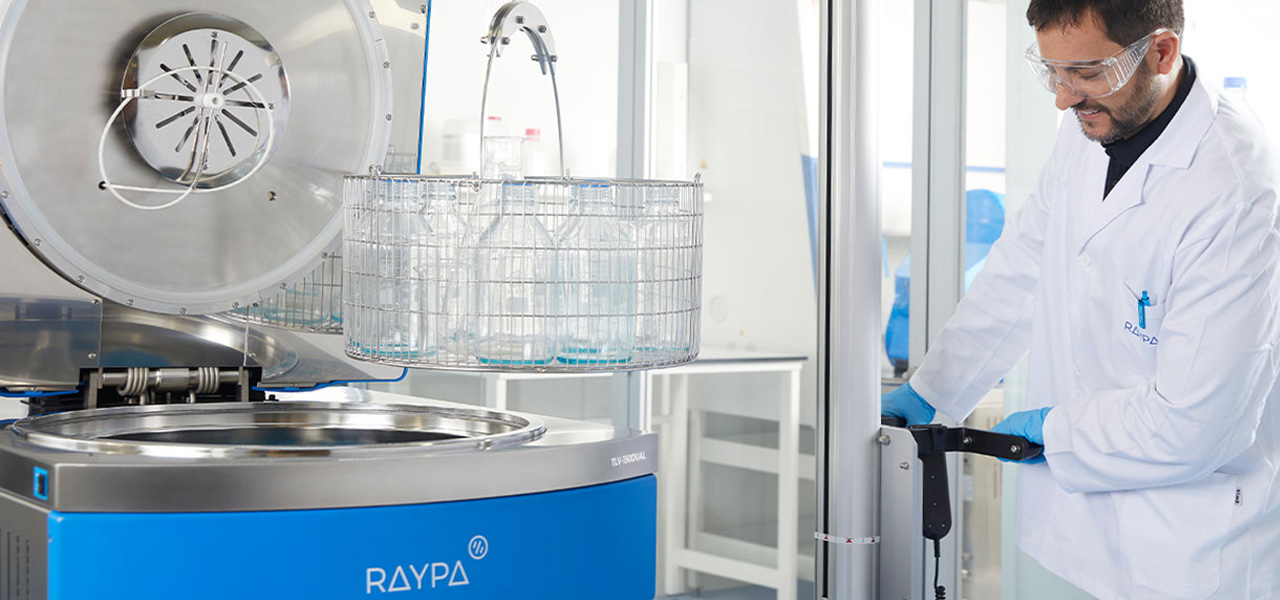
In addition to technical process quality, ergonomic and safety-related features have a significant impact on the daily use of an autoclave. An electrically assisted, automatic door system reduces the effort required to open and close the chamber and minimizes the risk of injury. Safety locks ensure that the door is only released once the pressure and temperature have been completely reduced.
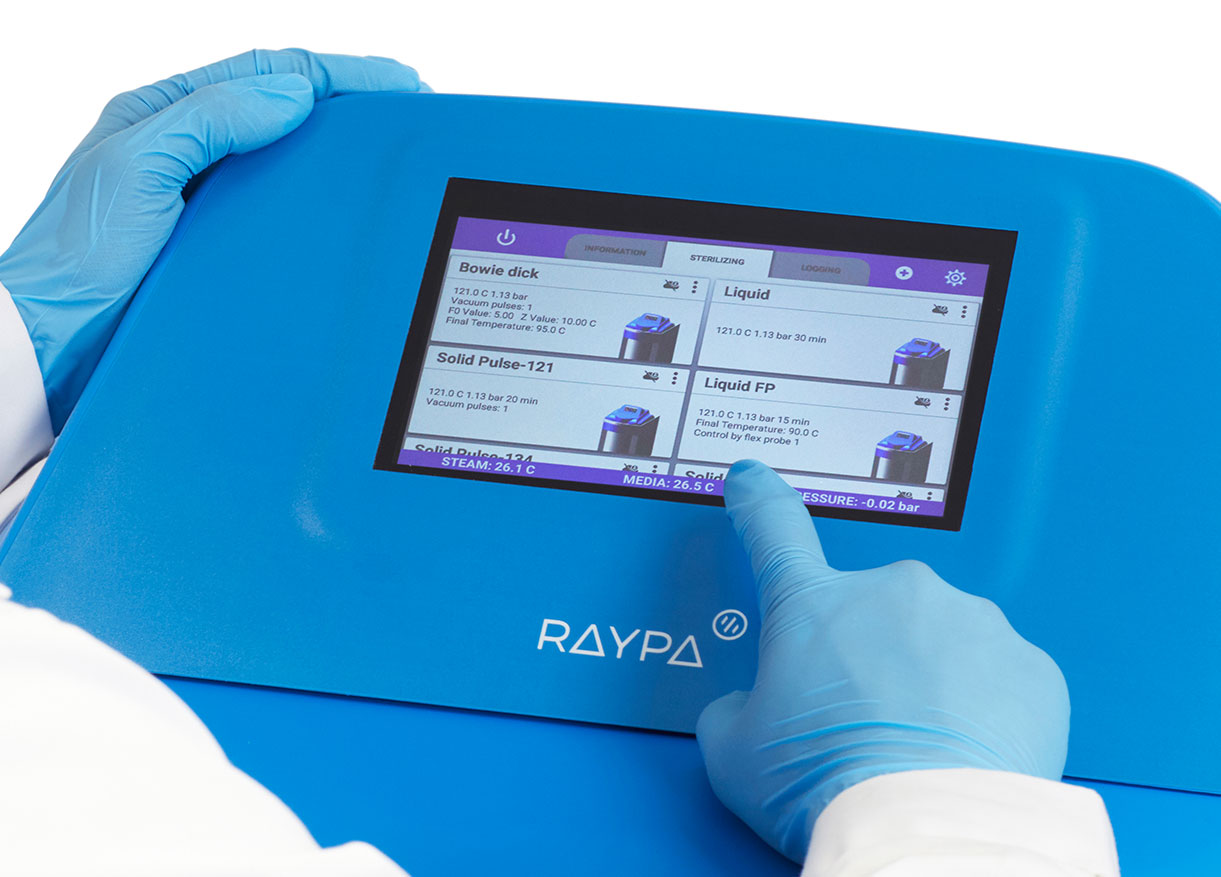
Bacteriological filters on the supply and exhaust air prevent contaminated air from entering the work area or unfiltered ambient air from entering the chamber. Intuitive touchscreen interfaces with clearly structured menus, status displays, and warning messages support safe operation. Lifting systems for heavy baskets and antistatic casters with locking brakes reduce physical strain and increase occupational safety in daily laboratory operations.
Technical evaluation as a basis for decision-making
The selection of a vertical autoclave should be based on the actual process requirements. The decisive factors are whether the system can sterilize different load types reproducibly and whether it can control critical phases such as drying and cooling in a controlled manner. These factors directly influence process reliability and the validation effort.
Equally relevant are cycle duration, energy and water consumption, and maintenance intervals, as these determine operating costs over the entire life cycle. Safety features and ergonomic design have an impact on operating errors and workload. A structured evaluation of these criteria enables a reliable device selection with a direct influence on quality and operational safety.
Product overview
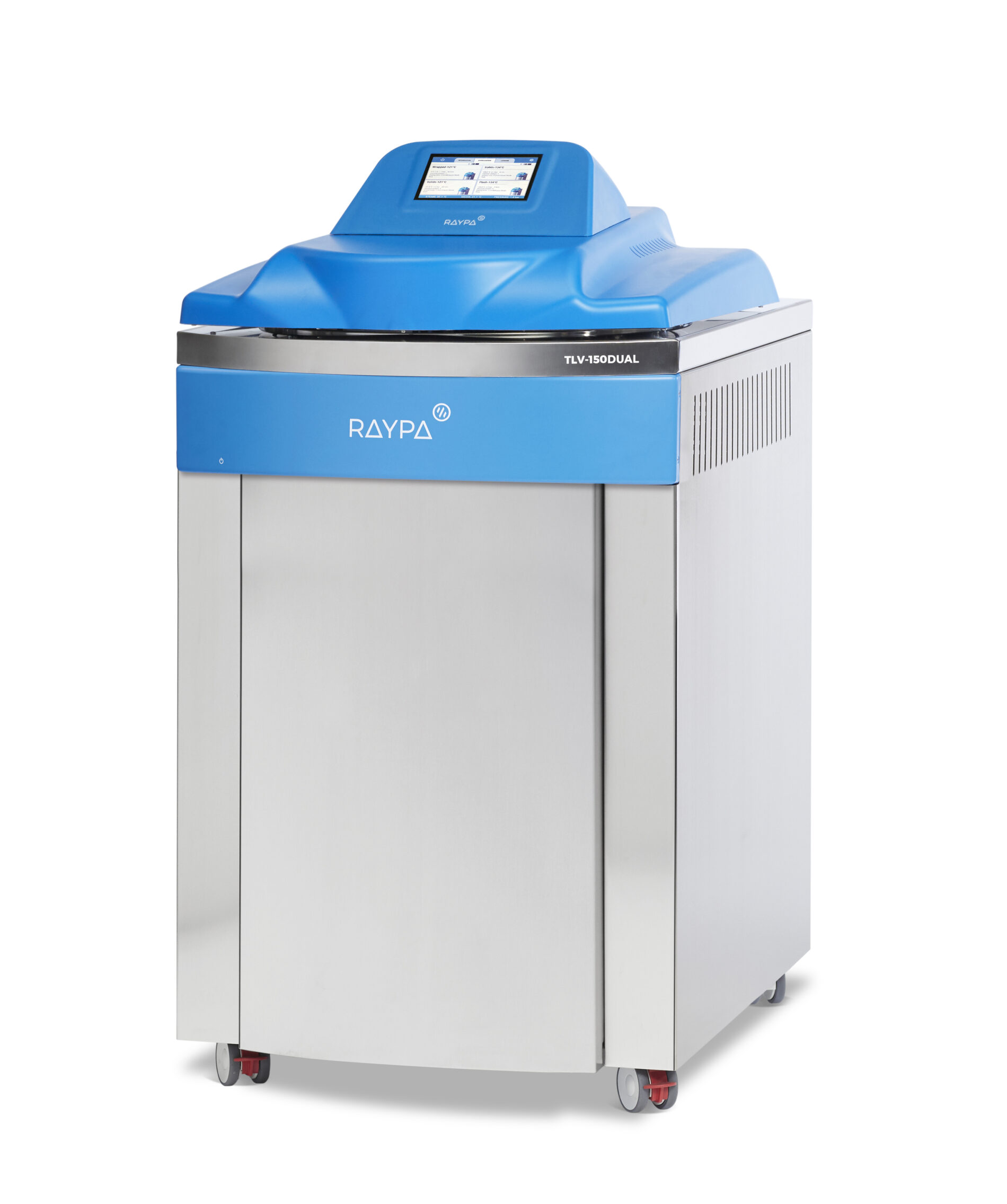
TLV-DUAL Series
- With super drying system and rapid cooling
- vertical autoclave
- Maximum flexibility (liquids and solids)
- Gross volumes: 58, 83, 124, 169 L
- Optional HEPA filter for biohazard waste
- With steam generator
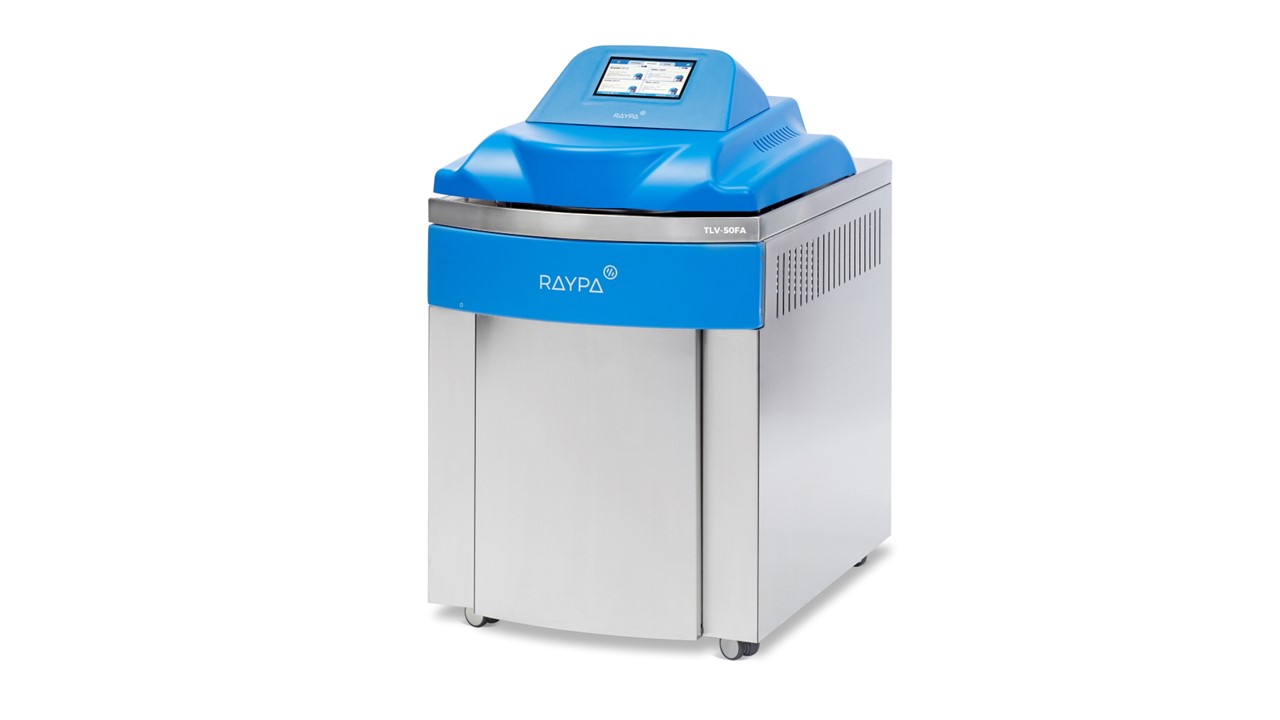
TLV-FA Series
- With rapid cooling system
- vertical autoclave
- Ideal for sterilizing liquids
- Gross volumes: 58, 83, 124, 169 L
- Optional HEPA filter for biohazard waste
- With steam generator
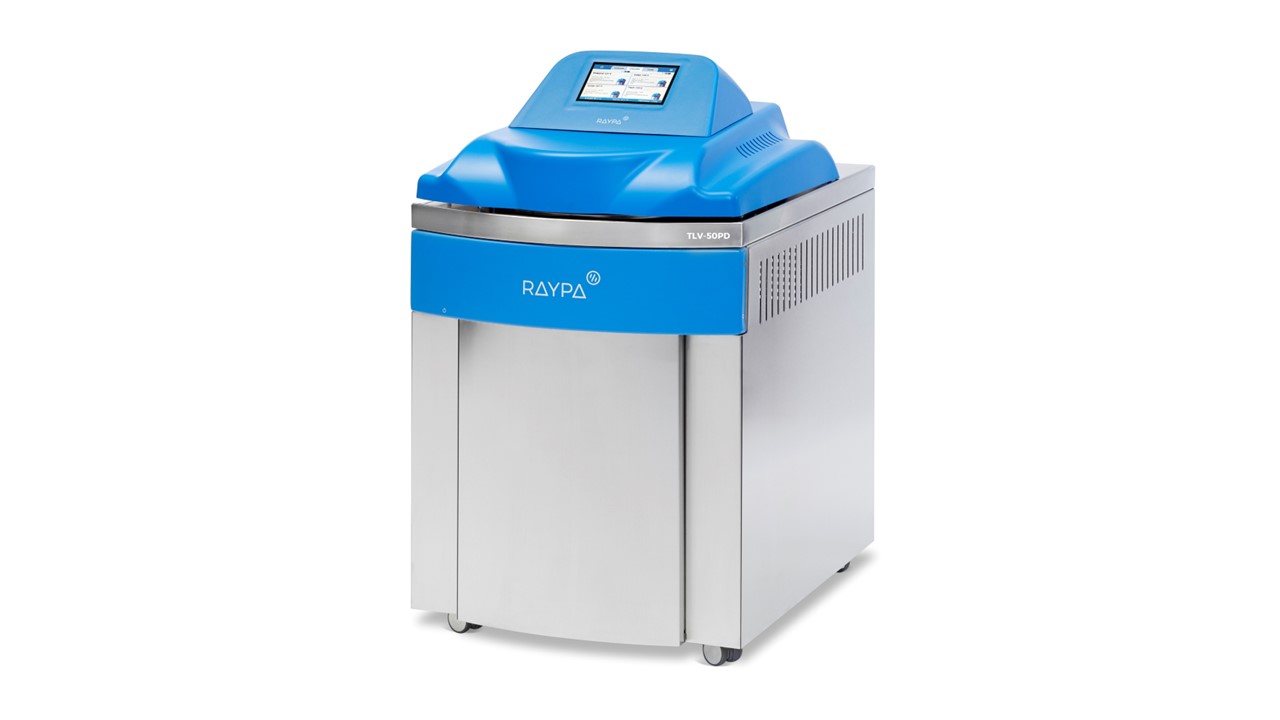
TLV-PD Series
- With super drying system
- vertical autoclave
- Ideal for sterilizing glass, porous solids, and objects with
- Gross volumes: 58, 83, 124, 169 L
- Optional HEPA filter for biohazard waste
- With steam generator
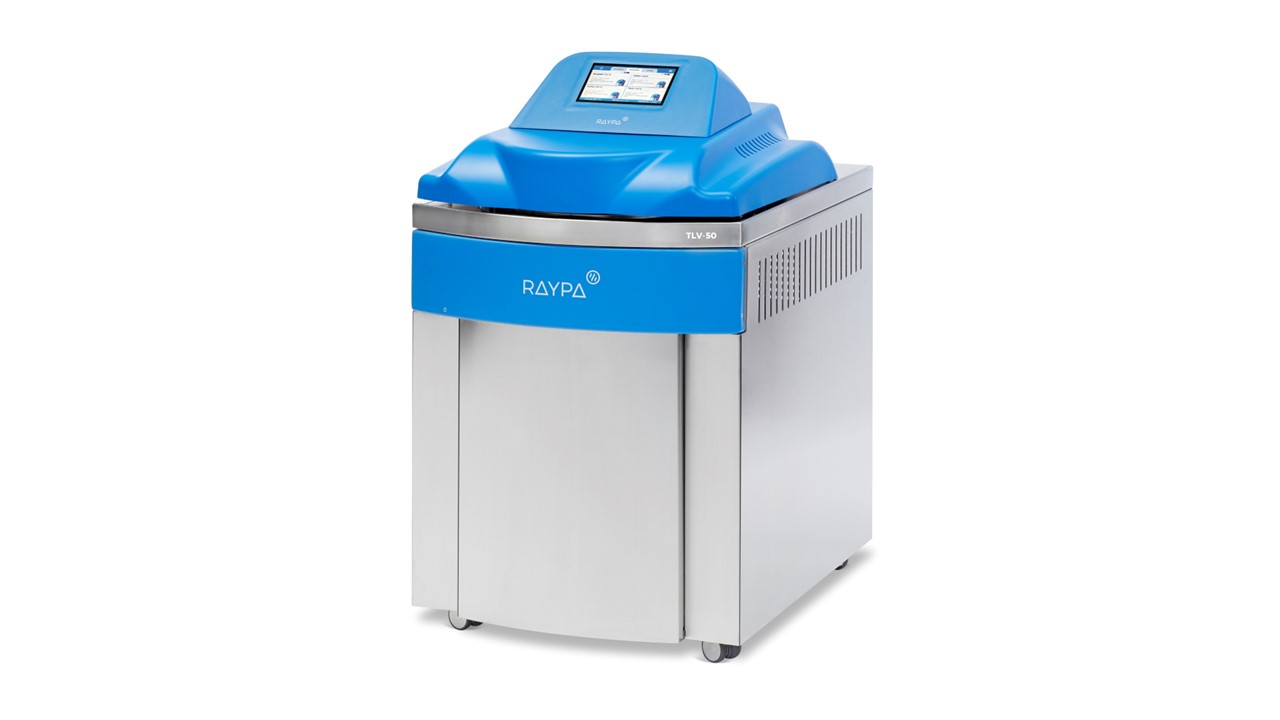
TLV-S Series
- basic model
- vertical autoclave
- Gross volumes: 58, 83, 124, 169 L
- Optional HEPA filter for biohazard waste
- With steam generator
Find the right autoclave for your laboratory
Use the RAYPA selection tool. Filter autoclaves by technology, application, and requirements. The advanced filter function guides you to the right device in just a few steps. Select models that are specifically suited to your processes, sample volume, and the regulatory requirements of your laboratory.
Want to learn more about the RAYPA TLV series?
We will be happy to arrange an appointment with you immediately.