With the effectiveness of 3D spheroids in many areas of research, including
cancer drug discovery and in vitro tumor studies, the need has arisen for better methods
to produce replicated spheroids of uniform size in large quantities.
Microcavity technology simplifies the production of spheroids in large quantities and
makes it possible to produce and grow thousands of spheroids in a single plate under uniform culture conditions
.
3D spheroids in research
A high volume of spheroids in each well generates more signals per well without increasing the size
of the spheroids. In addition, more spheroids mean more data points. Elplasia
Corning plates produce spheroids of consistent quality and reproducible results.
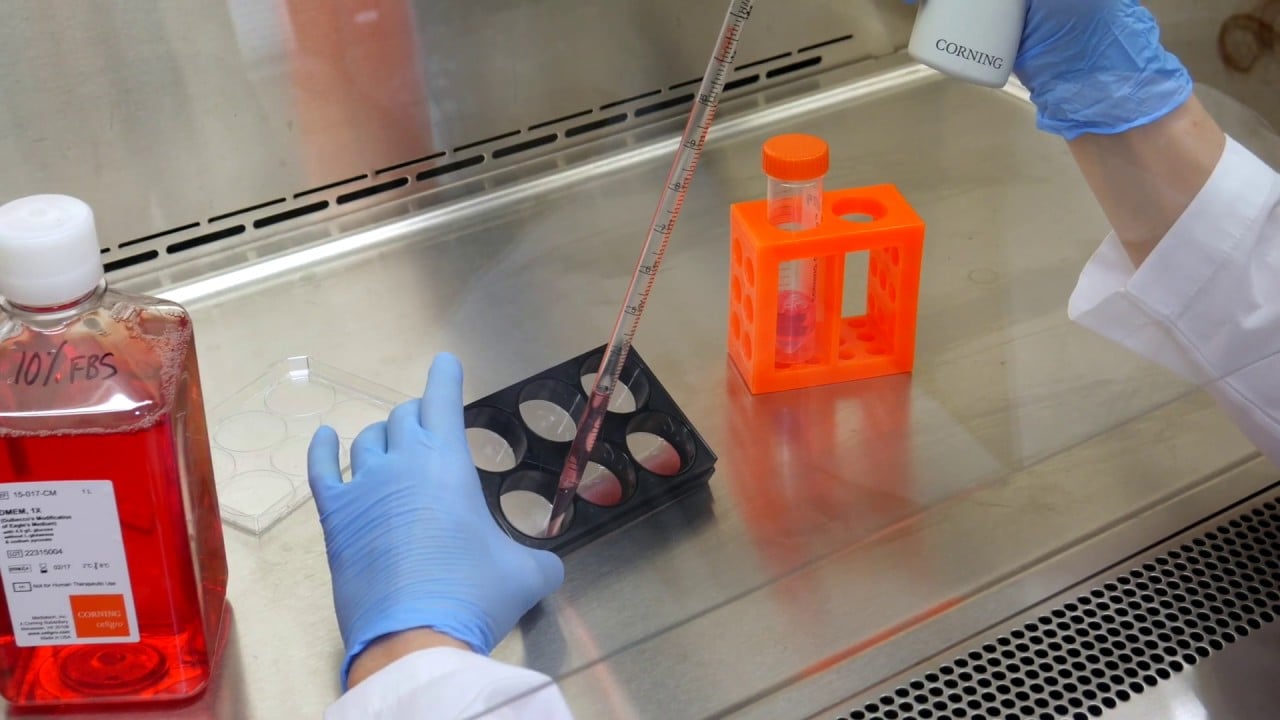
The microplates are available in two well geometries and surface coatings: Microplates
with a round well bottom and the Ultra-Low-Attachment (ULA) surface feature a hydrophilic
and bioinert surface that promotes the formation of reproducible spheroids and
microplates with a classic square well bottom and plasma-treated surface
for self-coating with proprietary substances.
The spheroid plates from CORNING
- Spheroids can be formed and cultivated for 21 or more days
- Depending on the plate format, between 79 - 15,000+ spheroids per well can be produced under one culture condition
. - Black, opaque side panels to reduce well-to-well signal transmission
- Well suited for fluorescence/luminescence assays

Application examples:
Stem cell research
Spheroid models grown in Corning Spheroid and Elplasia microplates can be used to produce uniform embryoid bodies from induced pluripotent stem cells (iPSCs), which can then be generated into highly purified neural stem cells (NSCs) for the study of potential treatments for neural diseases.
Tumor biology
3D tumor spheroid models generated with Corning spheroid microplates closely mimic the in vivo tumor microenvironment. These spheroids - grown either as single cultures or as more complex co-cultures with other cell types in the tumor microenvironment - provide the opportunity to better predict the therapeutic efficacy of cancer drug models in oncology drug discovery.
Oncology of the immune system
For example, 384-well spheroid corning microplates have been successfully used to evaluate the cytotoxic effect of CAR-T cells on tumor cell spheroids. For example, the cytotoxicity assay of KILR™ (DiscoverX Corp.) in combination with KILR-transduced tumor spheroids can be formed, cultured and tested directly on the same spheroid microplate.
do you have any questions about this article?
We will be happy to help you.