Today, digital quality management systems determine the auditability and legal compliance of sterilization processes. Anyone evaluating a new autoclave should therefore not only check the process performance, but also systematically assess the structure of the digital documentation.
Modern autoclaves are often used for sterilizing liquids, culture media, and solids. However, the technical performance of the device alone is not enough. The decisive factor is how cycle data is recorded, stored, secured, and evaluated. This results in specific evaluation criteria for selecting a system.
Data storage and data integrity
A key criterion is the storage location of the process data. Systems either store data exclusively in the device controller or additionally on a local server or in a cloud infrastructure. For regulated areas, it is relevant whether:
- electronic records are tamper-proof
- Audit trails are generated automatically
- User rights are clearly defined and logged
- Electronic signatures are implemented in accordance with FDA 21 CFR Part 11.
Without these functions, there is a risk in the event of an audit. When selecting a vertical autoclave, it is therefore important to check whether the controller and, if applicable, the management platform fully comply with regulatory requirements.
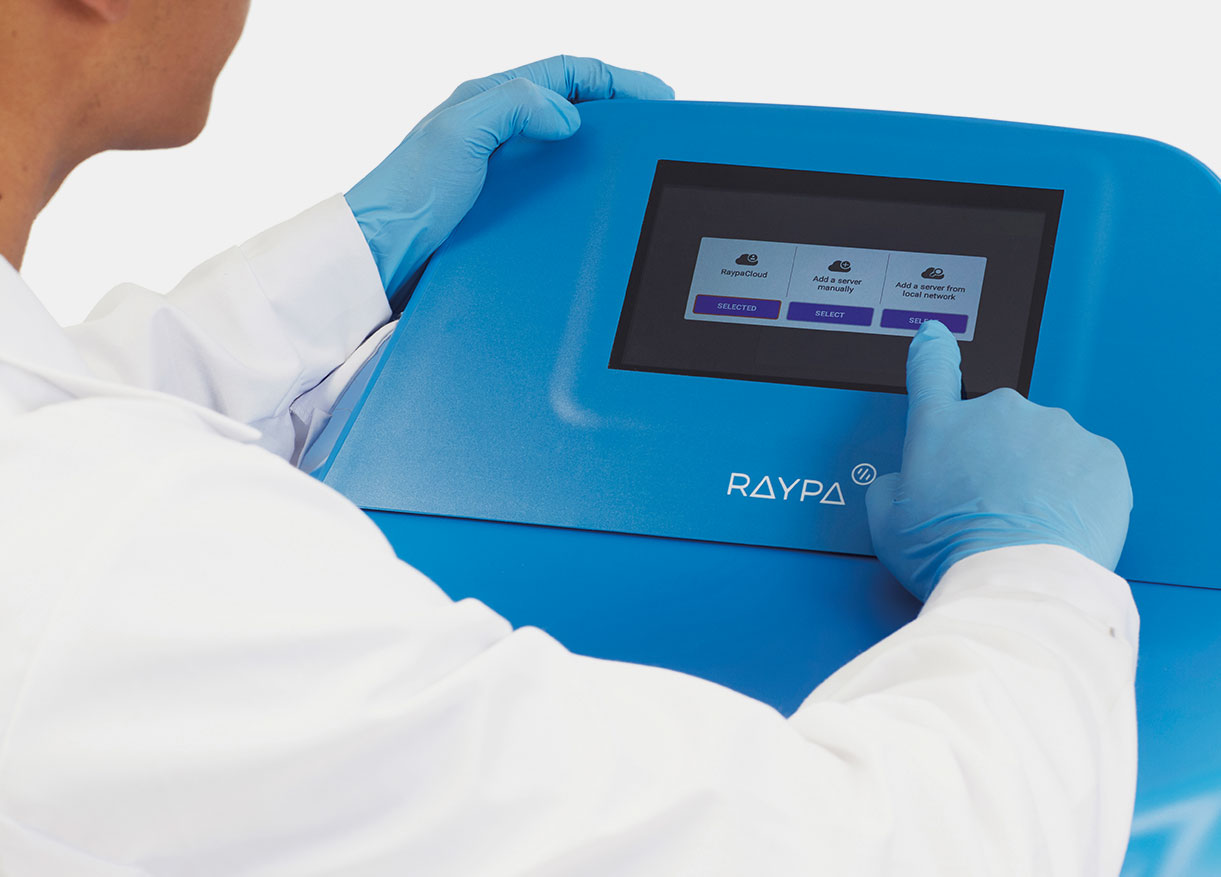
Connectivity and access concepts
Digital quality management systems differ significantly in terms of their degree of networking. Three basic models can be distinguished:
- Stand-alone solution without external connection
- Local network with internal server
- Cloud-based solution with location-independent access
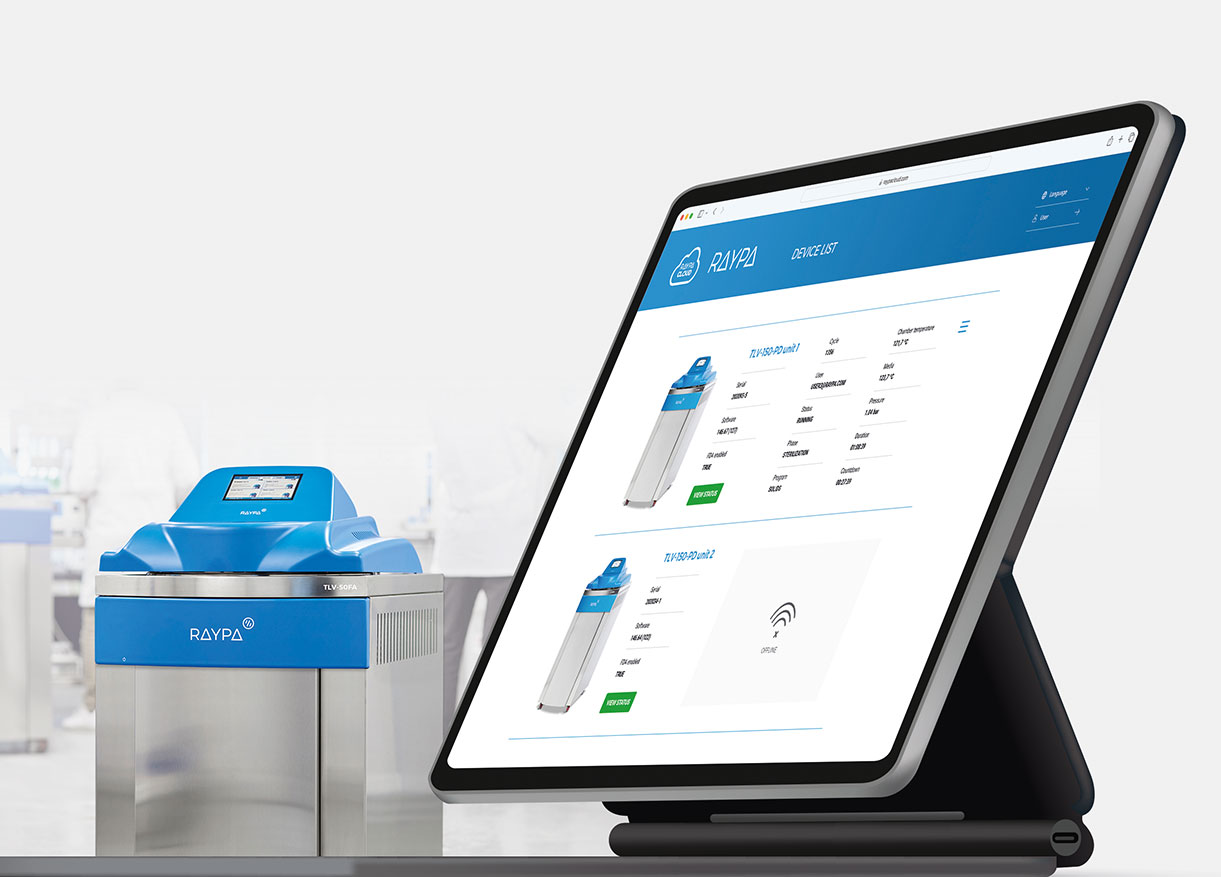
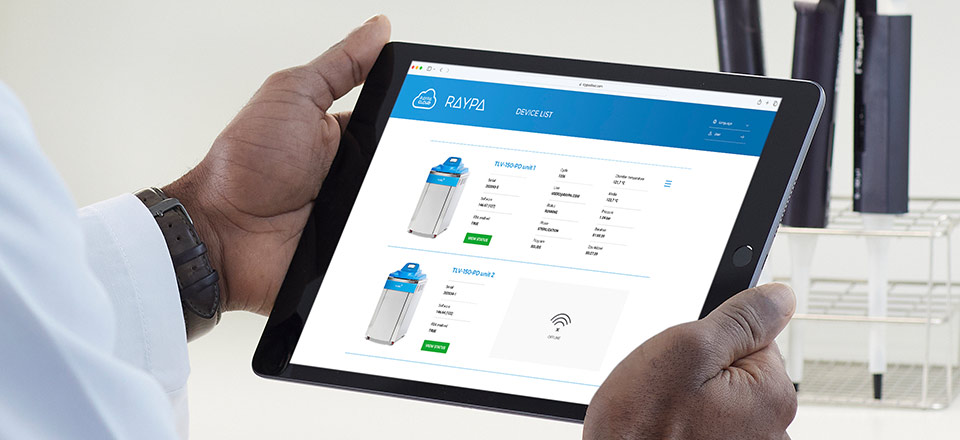
Cloud solutions enable centralized management of multiple devices, remote access to cycle data, and user management across different locations. They are suitable for organizations with multiple laboratories or an international structure.
Local server solutions offer complete data control within your own IT infrastructure. They are relevant for companies with strict internal data protection guidelines or clearly defined IT security requirements.
The decision depends on IT strategy, compliance requirements, and risk assessment. An autoclave should therefore not be viewed in isolation, but as part of the overall digital infrastructure.
FDA 21 CFR Part 11 and regulatory classifications
Not every laboratory requires the same level of compliance. In practice, there are graduated requirements:
- Full Part 11 compliance for device and management system
- Part 11 compliance only at device level
- Documentation without formal Part 11 requirements
This differentiation allows systems to be specifically adapted to regulatory requirements. Full compliance is required for GMP production environments. In research environments, partial or no compliance may be sufficient.
A modern autoclave should therefore be designed as a platform with configurable quality management options, not as a rigid stand-alone solution.
Backup, audit trail, and update strategy
The following points must be checked to ensure reliable digital documentation:
- automatic and regular backups
- audit-proof audit trails
- clearly documented software versions
- structured update processes
- Remote maintenance or diagnostics capability
If these mechanisms are missing, the internal validation effort increases. Systems with integrated backup and logging functions reduce testing times and simplify requalifications.
Integration into existing systems
LIMS, Active Directory, or central user management systems are already established in many laboratories. A vertical autoclave should:
- Synchronize user roles
- Provide export formats for LIMS
- Provide clear interfaces for IT integration
Without integration capabilities, media discontinuities and additional documentation effort arise.
Scalability and multi-device management
In larger facilities, central management of multiple autoclaves is relevant. Cloud- or server-based platforms enable:
- Overview of all cycles of multiple devices
- central program management
- uniform user structure
- cross-location evaluation
These functions support standardized processes and reduce discrepancies between locations.
Market positioning
An example of a modern autoclave that offers various digital quality management options is the Raypa TLV series. The system provides different configuration models, ranging from a purely local, non-networked solution to cloud-based variants with advanced management functions.
The decisive factor here is not so much the product name as the structural approach. A device in this class is designed as a modular platform in which connectivity, compliance level, and data storage can be adapted to regulatory requirements.
Conclusion for the selection of vertical autoclaves
When purchasing your new autoclave, in addition to pressure, temperature stability, and process control, the following questions should be systematically examined:
- Where is cycle data stored?
- Is Part 11 compliance required?
- Which audit and backup functions are integrated?
- How is integration into existing IT systems carried out?
- Is cross-location management required?
Digital quality management functions are not an add-on module. They define the long-term operational reliability, auditability, and scalability of a laboratory. Those who take these criteria into account at an early stage reduce validation effort and increase the transparency of sterilization processes.
Product overview
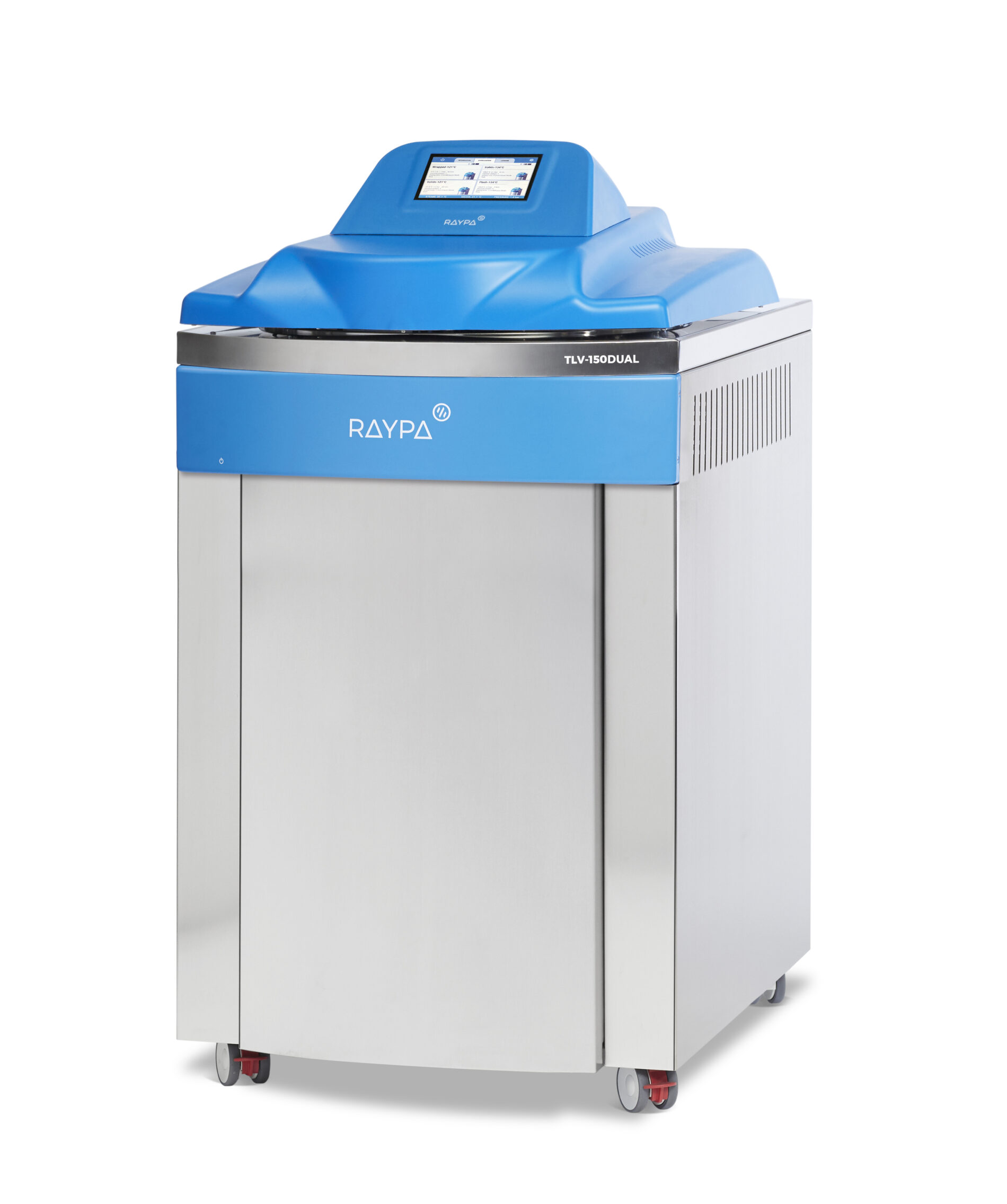
TLV-DUAL Series
- With super drying system and rapid cooling
- vertical autoclave
- Maximum flexibility (liquids and solids)
- Gross volumes: 58, 83, 124, 169 L
- Optional HEPA filter for biohazard waste
- With steam generator
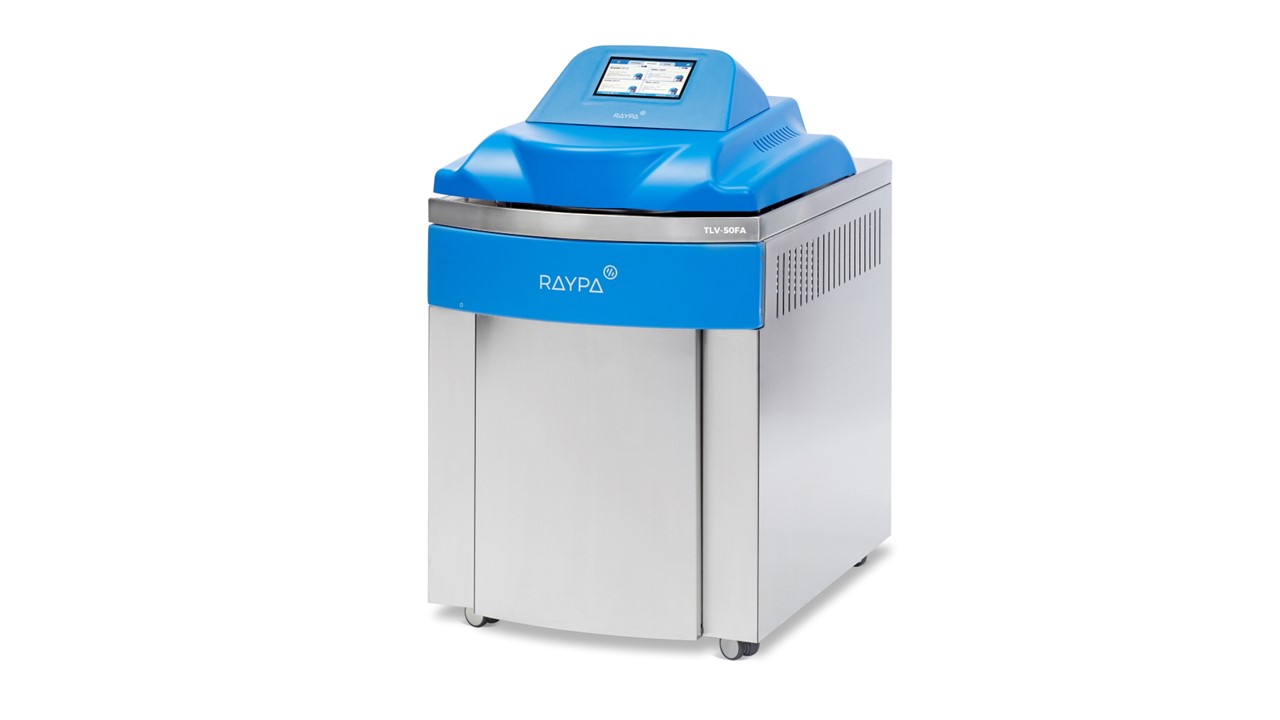
TLV-FA Series
- With rapid cooling system
- vertical autoclave
- Ideal for sterilizing liquids
- Gross volumes: 58, 83, 124, 169 L
- Optional HEPA filter for biohazard waste
- With steam generator
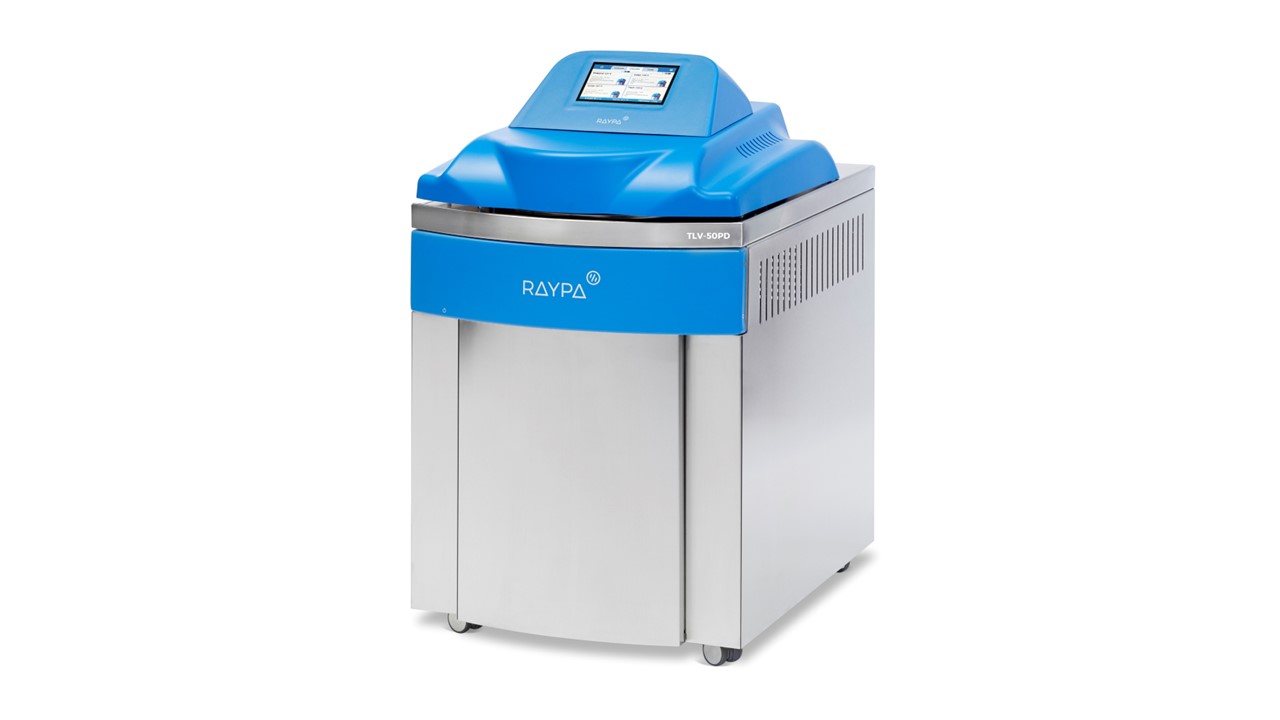
TLV-PD Series
- With super drying system
- vertical autoclave
- Ideal for sterilizing glass, porous solids, and objects with
- Gross volumes: 58, 83, 124, 169 L
- Optional HEPA filter for biohazard waste
- With steam generator
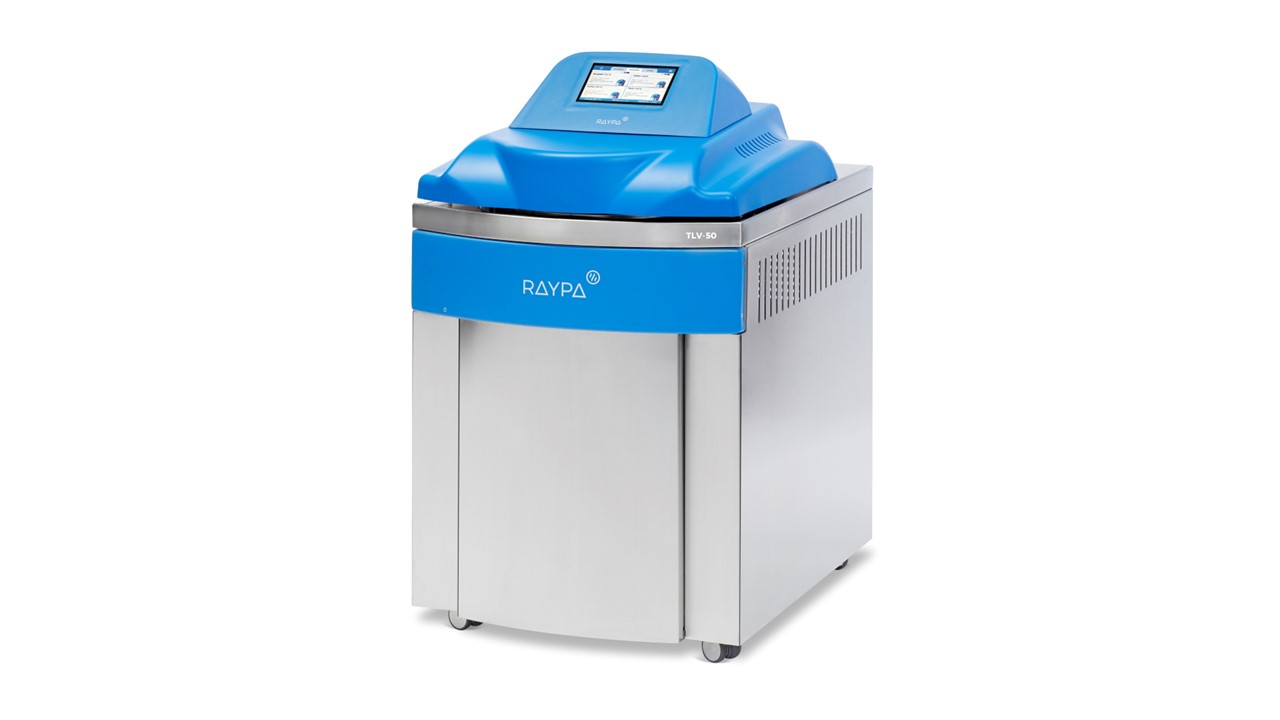
TLV-S Series
- basic model
- vertical autoclave
- Gross volumes: 58, 83, 124, 169 L
- Optional HEPA filter for biohazard waste
- With steam generator
Find the right autoclave for your laboratory
Use the RAYPA selection tool. Filter autoclaves by technology, application, and traceability requirements. The advanced filter function guides you to the right device in just a few steps. Select models that are specifically suited to your processes, sample volume, and the regulatory requirements of your laboratory.
Want to learn more about the RAYPA TLV series?
We will be happy to arrange an appointment with you immediately.